What Defines a Reliable Washing Machine Components Manufacturer
A dependable Washing Machine Components Manufacturer is one that can consistently deliver precision-engineered gearboxes, synchronizers, drum assemblies, and related hardware while meeting the technical tolerances required for long-term appliance performance. In practical terms, this means the facility operates under a documented quality management system, supports both OEM (original equipment manufacturer) programs and aftermarket replacement orders, and maintains repeatable dimensional accuracy across production runs. Buyers evaluating a new sourcing partner should look first at production consistency rather than surface-level claims, since a single defective batch of gearboxes or synchronizers can disrupt an entire appliance assembly line downstream.
Beyond the technical baseline, a capable Washing Machine Components Supplier also needs the flexibility to support custom tooling requests, private-label packaging, and mixed-volume orders that combine standard catalog parts with engineered-to-order components. This article walks through the core component categories, the manufacturing and inspection stages involved, how OEM sourcing differs from aftermarket sourcing, and the performance data points that procurement teams typically use to compare suppliers. Specific figures and comparison charts are included throughout to illustrate how component categories differ in output allocation, service life, and failure-rate trends over time.
Core Washing Machine Components Produced by Manufacturers
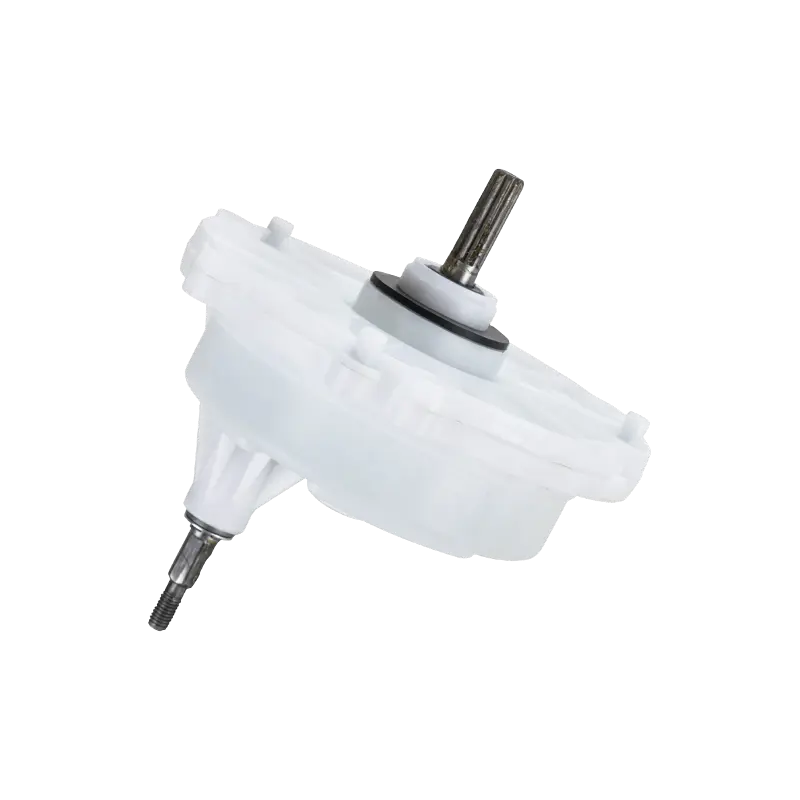
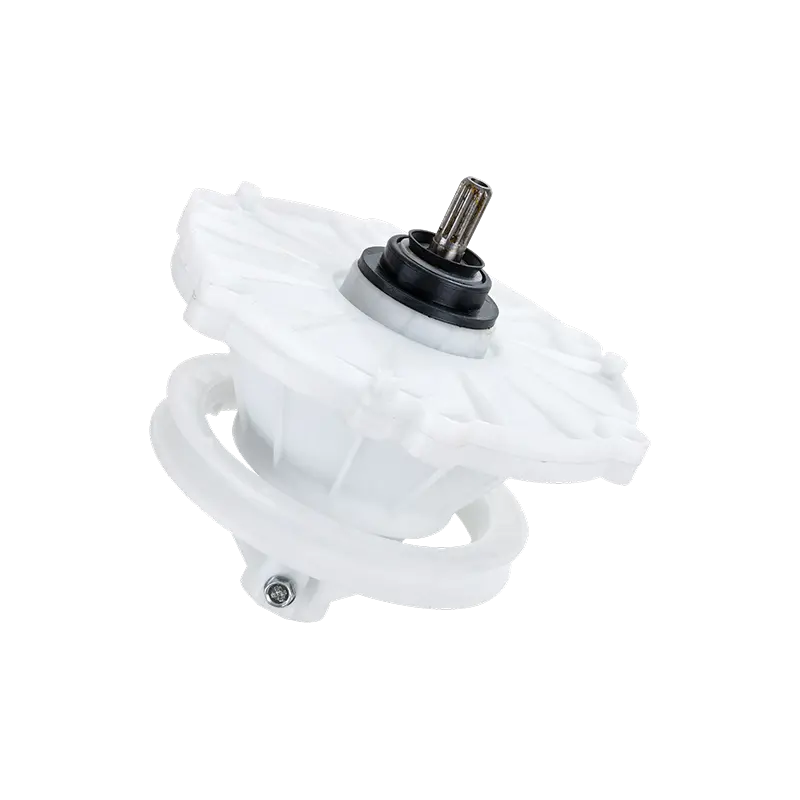
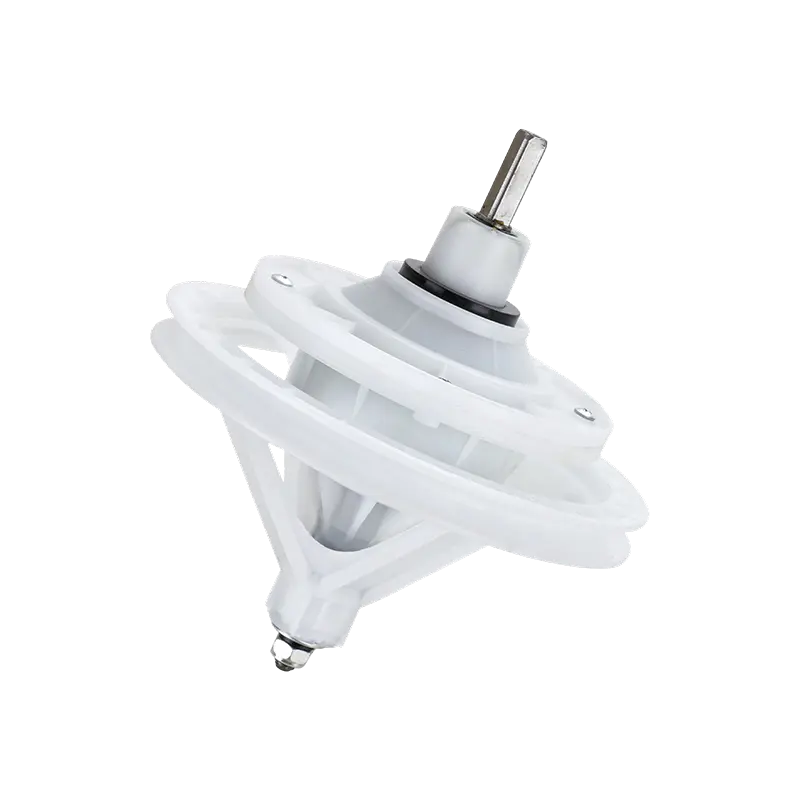
Most washing machine platforms rely on a fairly consistent set of mechanical and electromechanical subsystems, regardless of the appliance brand or region of sale. A specialized washing machine parts manufacturer typically groups its production lines around these subsystems so that tooling, testing fixtures, and skilled labor can be dedicated to each category. The table below summarizes the primary component categories and their functional role within a washing machine.
Table 1: Primary washing machine component categories and their function
Component Category
Primary Function
Typical Material
Gearbox Assembly
Transfers motor torque and controls wash/spin speed ratios
Engineering plastic, steel gears
Synchronizer
Coordinates timing between wash and spin cycles
Reinforced polymer, brass contacts
Drum & Bearing Assembly
Holds laundry load and supports rotational movement
Stainless steel, sealed bearings
Motor Components
Generates rotational force for drum movement
Copper winding, laminated steel core
Suspension & Shock Absorbers
Reduces vibration and noise during spin cycles
Steel springs, friction dampers
Door Locks & Seals
Secures the drum door and prevents water leakage
Rubber gasket, reinforced polymer
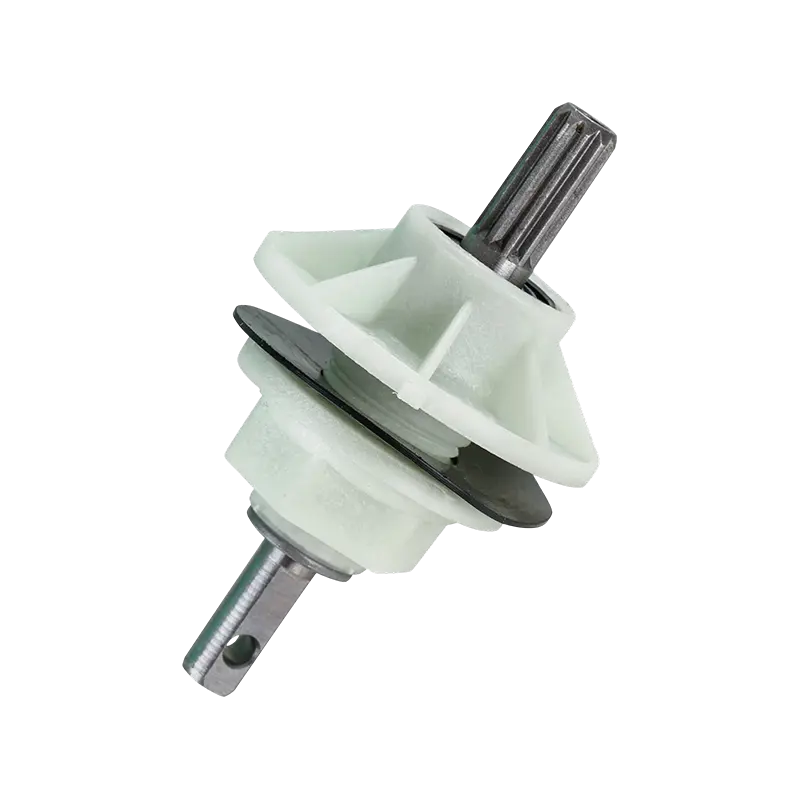
Among these categories, gearbox assemblies and synchronizers are generally considered the most technically demanding to manufacture, since they combine precision gear-cutting with electrical timing mechanisms in a compact housing. Procurement teams sourcing from a custom washing machine components supplier often request modified gear ratios or synchronizer timing curves to match a specific drum size or motor output, which is why manufacturers with in-house R&D capability tend to be better positioned to support model-specific engineering changes.
Manufacturing Process and Quality Control Checkpoints
Component quality is rarely the result of a single inspection step. Instead, an established Washing Machine Components Manufacturer typically distributes quality checks across several stages of production, from incoming raw material verification through to final functional testing before packaging. This layered approach catches different categories of defects at the point where they are most likely to occur and least costly to correct.
Typical Defect Detection Distribution Across Production Stages
The chart above illustrates a typical distribution of where defects are identified across five inspection stages in gearbox and synchronizer production. The largest share, around 25 percent, is generally caught during in-process machining checks, since this is where gear tooth geometry and shaft alignment tolerances are most sensitive to tool wear. Raw material inspection accounts for a smaller share because material-related defects are usually easier to detect through sampling before machining begins. Sub-assembly functional testing and full-load performance testing together account for a substantial portion of detected issues, which reflects how timing-related synchronizer faults often only appear once components are assembled and run under simulated load. Final output inspection, while catching the smallest percentage, remains a necessary safeguard since it verifies packaging integrity and cosmetic conformity before parts are released to OEM or aftermarket customers. This multi-stage structure is one of the main reasons buyers are encouraged to ask a prospective supplier for a documented process flow rather than relying on a single certificate of conformity.
OEM Sourcing Compared with Aftermarket Sourcing
Businesses approach a Washing Machine Components Supplier for two broadly different purposes: supporting an original equipment production line, or supplying replacement parts into the repair and aftermarket channel. Although the underlying components may look similar, the requirements around documentation, packaging, and order flexibility differ considerably between the two paths.
Table 2: Comparison of OEM and aftermarket sourcing requirements
Requirement
OEM Sourcing
Aftermarket Sourcing
Order Volume Pattern
Large, scheduled batches
Smaller, frequent restocks
Engineering Involvement
Joint design validation
Compatibility matching
Packaging Format
Bulk industrial packaging
Retail-ready individual packaging
Documentation Needs
Full traceability reports
Basic compatibility reference
Lead Time Flexibility
Fixed production schedule
Faster turnaround expected
An OEM-focused arrangement usually involves the manufacturer and the appliance brand collaborating closely during the design validation phase, particularly for gearbox and synchronizer specifications that must match a specific drum diameter or motor torque curve. Aftermarket orders, on the other hand, place more emphasis on compatibility documentation so that repair technicians and distributors can quickly confirm that a replacement part fits a given appliance model. A manufacturer that can serve both channels from the same production base is generally more efficient for buyers who need to cover both new appliance assembly and long-term spare parts availability without switching between separate vendors.
Long-Term Reliability Improvements in Component Manufacturing
Reliability data collected over multiple production years gives buyers a clearer picture of how manufacturing process improvements translate into fewer field failures. The line chart below reflects a typical downward trend in reported failure rates for gearbox and synchronizer components as tooling precision and testing protocols mature over a five-year period.
Reported Failure Rate Trend Over Five Production Years
In this illustrative trend, the reported failure rate drops from roughly 4.8 percent in Year 1 to about 2.1 percent by Year 5, a reduction of more than half over the observed period. This kind of improvement typically comes from a combination of tighter machining tolerances, upgraded testing fixtures, and feedback loops built from field return data. Manufacturers that track this metric internally are usually able to identify which specific gearbox or synchronizer sub-component is driving early failures and adjust the design or material accordingly. A steady downward trend also indicates that the manufacturer treats quality as an ongoing engineering process rather than a one-time certification exercise. For procurement teams, requesting this kind of historical failure-rate data during supplier evaluation can be a more informative exercise than relying solely on a factory audit report, since it reflects real-world performance rather than a snapshot inspection.
Comparing Component Lifespan Across Categories
Service life varies meaningfully across washing machine component categories because each part experiences a different type of mechanical stress. Gearboxes and motors tend to be engineered for the longest operating life, while smaller elements such as door locks experience more frequent open-close cycling and wear accordingly.
Average Rated Lifespan by Component (Thousand Operating Cycles)
As shown in the chart, gearbox assemblies typically carry the highest rated lifespan among the compared categories, at around 12,000 operating cycles, followed closely by motor components at roughly 11,000 cycles. Synchronizers and drum bearing assemblies fall in the middle range, reflecting their exposure to repeated timing shifts and rotational load respectively. Suspension components and door locks generally show a shorter rated lifespan since they absorb repeated mechanical shock or frequent manual operation, which naturally accelerates wear compared to sealed rotating assemblies. These figures are useful for maintenance planning, since they help repair technicians and appliance brands anticipate which component categories are more likely to require replacement first within a typical appliance service life. A washing machine components supplier that can provide lifespan data by category also allows OEM engineering teams to align warranty periods more closely with expected part behavior rather than applying a single blanket warranty across all components.
Performance Attribute Comparison Across Key Components
Different component categories are optimized for different performance priorities. The radar chart below compares gearbox assemblies, synchronizers, and drum bearing assemblies across five attributes commonly used in engineering evaluations: durability, noise control, load capacity, corrosion resistance, and precision fit, each rated on a scale of 1 to 10.
Attribute Comparison: Gearbox vs Synchronizer vs Drum Bearing Assembly
The overlapping shapes highlight how each component category is engineered around a different priority. Gearbox assemblies score highest on load capacity and durability, which reflects their role in continuously transferring motor torque under varying laundry loads. Synchronizers, by contrast, score highest on precision fit and noise control, since their primary job is to coordinate timing without introducing vibration or audible clicking during cycle transitions. Drum bearing assemblies stand out on corrosion resistance, which is a direct result of constant exposure to water and detergent residue during normal operation. None of the three components dominates across all five attributes, which is expected given that each is designed for a distinct mechanical role rather than a general-purpose function. This kind of attribute-level comparison is useful for engineering teams deciding where to focus additional testing or material upgrades when developing a new appliance platform, since it clarifies which component is the limiting factor for a given performance goal.
How to Evaluate a Washing Machine Components Supplier
Selecting a long-term sourcing partner involves more than comparing a product catalog. The following checklist outlines the main areas that procurement and engineering teams typically review before committing to a new Washing Machine Components Supplier relationship.
Confirm whether the manufacturer supports both standard catalog parts and custom-engineered components for non-standard drum or motor configurations.
Review the documented quality control process, including how many inspection stages are used and what functional testing is performed before shipment.
Ask for historical reliability data, such as field return rates or failure trends over previous production years.
Check whether the supplier can accommodate both OEM production schedules and smaller, more frequent aftermarket restock orders.
Evaluate in-house R&D capability, particularly for gearbox and synchronizer development, since design changes often require close engineering collaboration.
Verify packaging and labeling flexibility to support both bulk industrial shipments and retail-ready aftermarket packaging.
Working through this checklist systematically helps avoid a common sourcing mistake, which is selecting a manufacturer based only on product range without confirming whether its quality process and order flexibility actually match the buyer's operational needs. A supplier that performs well on paper but cannot scale between OEM and aftermarket order patterns may still create supply chain friction later on.
About Cixi Gaite Electric Co., Ltd.
Cixi Gaite Electric Co., Ltd. was established in 2002 and is located in Ningbo, Zhejiang, China. As a China Washing Machine Parts Manufacturer and Custom Washing Machine Parts Supplier, the company specializes in the research, development, and manufacturing of key washing machine components, including gearboxes and synchronizers, serving both OEM manufacturers and aftermarket customers. The company's production approach reflects many of the practices described throughout this article, including multi-stage quality inspection, in-house engineering support for custom component requests, and the ability to serve both large-scale OEM production schedules and smaller aftermarket replacement orders from the same facility.
For businesses evaluating a long-term component sourcing partner, a manufacturer with over two decades of focused experience in gearbox and synchronizer production offers a level of process maturity that is difficult to replicate quickly. This kind of specialization is particularly relevant for appliance brands and repair-parts distributors who need consistent component behavior across large order volumes and extended product life cycles.
Several developments are gradually influencing how washing machine components are designed and produced. Energy efficiency regulations in many markets are pushing motor and gearbox manufacturers toward lighter materials and refined gear geometries that reduce mechanical drag without compromising load capacity. At the same time, appliance brands are increasingly requesting quieter synchronizer designs, since noise level has become a more prominent factor in consumer appliance reviews, particularly for machines installed in open-plan living spaces.
Another emerging area involves basic diagnostic feedback built into gearbox and motor assemblies, allowing appliance control boards to detect early signs of component wear before a full failure occurs. While this is still an evolving capability, manufacturers that already maintain strong in-house testing infrastructure are generally better positioned to adapt their production lines as these diagnostic requirements become more standard across the industry. Sustainability considerations are also influencing material choices, with a gradual shift toward recyclable engineering plastics for gearbox housings where mechanical performance requirements allow it. Together, these trends suggest that component manufacturers with flexible R&D capability, rather than those focused purely on volume output, will be better equipped to support appliance brands through the next stage of product development.
Frequently Asked Questions
Q1: What does a washing machine components manufacturer actually produce?
A washing machine components manufacturer typically produces mechanical and electromechanical parts such as gearboxes, synchronizers, drum and bearing assemblies, motor components, suspension systems, and door locks, either for original appliance assembly or for the replacement parts market.
Q2: What is the difference between a manufacturer and a supplier in this context?
A manufacturer is responsible for the actual production and engineering of the components, while a supplier role generally refers to the ability to fulfill orders reliably, including logistics, packaging, and order flexibility. Many companies, including specialized gearbox and synchronizer producers, operate as both a manufacturer and a supplier at the same time.
Q3: How can a business confirm the quality control process of a potential supplier?
Requesting a documented process flow that outlines each inspection stage, from raw material checks through final output inspection, is a practical way to confirm quality control depth. Asking for historical failure-rate trends over recent production years can further validate whether the process is genuinely reducing defects over time.
Q4: Can the same manufacturer support both OEM and aftermarket orders?
Yes, many established manufacturers maintain separate production and packaging workflows within the same facility so they can serve large-scale OEM production schedules alongside smaller, more frequent aftermarket restock orders without disrupting either channel.
Q5: How long does custom component development typically take?
Development timelines vary depending on the complexity of the change, but custom gearbox or synchronizer modifications generally require a design review phase, prototype testing, and sample validation before moving into full production, which is why early engineering collaboration with the manufacturer tends to shorten the overall timeline.
Q6: What materials are most commonly used in gearbox and synchronizer manufacturing?
Gearboxes typically combine engineering-grade plastics with steel or metal alloy gears for durability under load, while synchronizers often use reinforced polymer housings paired with brass or copper contacts to maintain reliable electrical timing performance over the component's rated lifespan.

 English
 عربى
عربى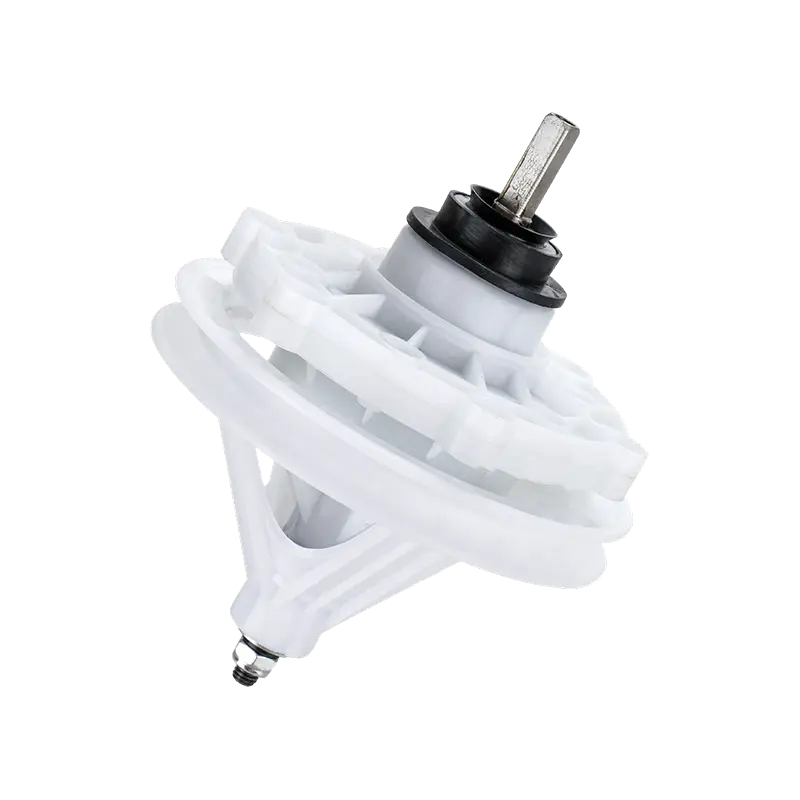


 +86-574-63256717 /63267914
info@gaite.cn
+86-574-63256717 /63267914
info@gaite.cn  gaite@gaite.cn
 No. 208 Miaoshan Road, Shiyan Village, Henghe Town, Cixi City, Ningbo City, Zhejiang Province, China