Actuators in washing machines are small electromechanical parts, but they sit at the center of a much larger drivetrain decision. In a typical top-load washer, the shift actuator moves a lever or collar that changes the transmission between agitation and spin. When it fails, the symptom looks electrical, yet the root cause is often mechanical binding in the gearbox, clutch, synchronizer, or P-shaft interface. The practical conclusion for OEM and aftermarket buyers is simple: source the actuator as part of a checked drivetrain system, not as an isolated part number.
This guide is written for procurement teams, repair-channel buyers, and product engineers who need a working understanding of washing machine shift actuator behavior. It covers what the part does, why actuator faults often start at the transmission interface, how to read common symptoms, and which checks should be built into a supplier qualification process.
Treat the actuator as one part of the drivetrain, not as a standalone service item.
Actuators in Washing Machines: What the Part Really Does
A washing machine shift actuator does not drive the drum and it does not create wash torque. Its job is to change state. On many top-load platforms, the actuator receives a signal from the control board and moves a small lever, fork, or sliding collar. That movement engages or releases a gear stage, clutch cam, or synchronizer so the washer can switch from agitate to spin. If the actuator does not reach its end position, the control may retry, show an error code, or stop the cycle.
Because the actuator is an interface part, its performance depends on three things: the electrical signal it receives, the mechanical resistance it meets, and the position feedback it sends back. A top load washer actuator can be mechanically healthy but still fail in service if the mating gearbox lever is stiff, the clutch cam is worn, or the synchronizer detent needs more force than the actuator can deliver. That is why actuator replacement without a drivetrain inspection often leads to repeat returns.
Actuator, gearbox, clutch and synchronizer: who does what
- Actuator: converts an electrical command into a short mechanical stroke. It may include a motor, solenoid, position switch, or feedback sensor.
- Gearbox: provides speed reduction and torque direction. The actuator may shift a lever inside or outside the gearbox housing.
- Clutch assembly: locks or releases the drive path for spin. A worn clutch cam can raise the force needed to shift.
- Synchronizer: helps engage rotating parts without shock. Stiff detents or worn sleeves can make the actuator hunt.
- P-shaft and pulsator components: transfer motion to the wash plate or pulsator. Runout or misalignment here can show up as an actuator complaint.
The actuator is a state-change device, so its reliability depends on the resistance and feedback of the parts around it.
Why Actuator Faults Often Start at the Transmission Interface
Service returns rarely arrive labeled as a transmission problem. They arrive as a no-spin complaint, a repeated click, or a control error. In many cases the actuator is the first part removed because it is accessible and relatively inexpensive. But the failure sequence often starts elsewhere. A dry or worn clutch cam can increase shift force. A gearbox lever can bind after water ingress or debris. A synchronizer sleeve can develop a stiff detent. A P-shaft with excessive runout can side-load the shift mechanism. The actuator then stalls, overheats, or fails to confirm position.
For buyers, this matters at the sample stage. If an actuator is evaluated on a bench with no load, it may pass every electrical check and still fail on a assembled washer. A more useful validation setup includes the mating gearbox, clutch, or synchronizer, plus a stroke and force check at the expected end positions. Tolerance stack-up should be reviewed across the actuator lever, the gearbox shift arm, and the housing. A few tenths of a millimeter in lever position can change the force curve enough to cause intermittent shifting.
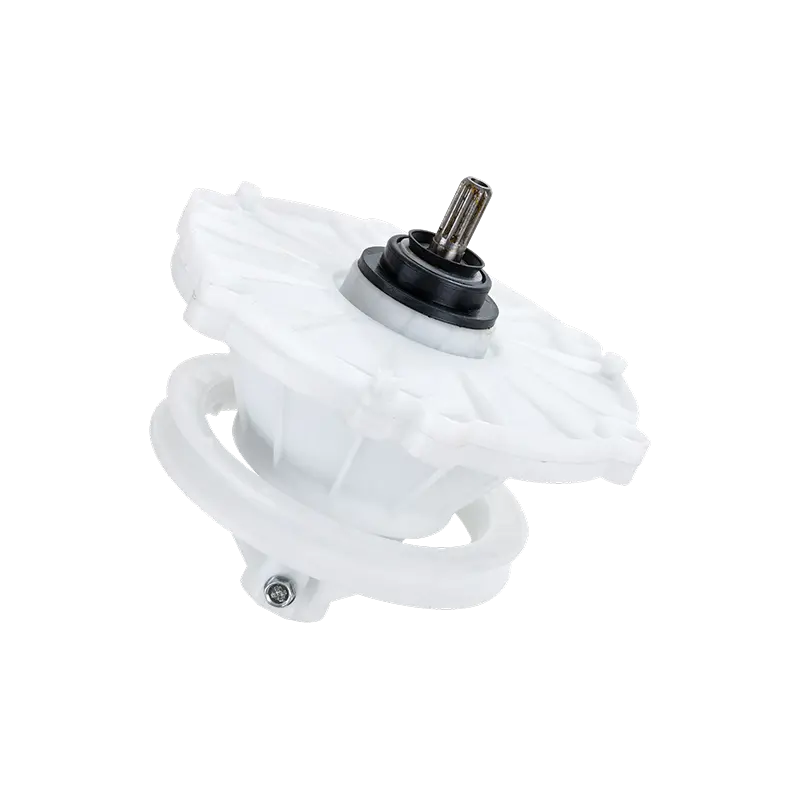
 GT003 Semi-Auto Washing Machine Gear BoxPlanetary gearbox for semi-automatic agitator washers, using lightweight engineering-plastic gearing and self-lubricating design; review its interface when validating actuator and gearbox as a set.View Product →
Validate the actuator against the real mating transmission, not on an unloaded bench alone.
Common Symptoms and a Practical Diagnostic Table
Field returns tend to cluster around a small set of symptoms. The pattern below is illustrative rather than statistical: it reflects common service reports, not a fixed failure rate for every washer design. Use it to structure a diagnostic conversation, then confirm with voltage, resistance, stroke, and mechanical binding checks.
Illustrative service-call pattern for actuator-related symptoms
No spin or spin failure
38%
Repeated clicking or hunting
24%
Agitation only, no spin
18%
Error code or no start
12%
Noise or burning smell
8%
Illustrative pattern based on common field reports; actual rates depend on washer design, age and use.
The chart shows why a single replacement part can appear to fix the washer and then fail again. A no-spin complaint may be logged as an actuator fault, but the actuator may be reacting to a binding gearbox lever or a worn clutch. Repeated clicking often points to a position feedback problem or a shift mechanism that cannot reach its detent. An agitation-only complaint can come from a stuck shift collar, a short actuator stroke, or a return spring that no longer centers the lever. These are interface issues, and they are best reviewed with the transmission supplier.
Gaite’s component pages are organized around these interfaces, including semi-automatic gearboxes, washing machine gearboxes, P-shafts, clutch assemblies, and synchronizers. That structure helps buyers compare the mating parts rather than treating the actuator as a separate commodity. For a repair-channel buyer, the practical step is to pair actuator replacement with a visual check of the shift lever, clutch cam, and synchronizer movement before the unit is closed.
Table 1: Actuator symptoms, likely causes, and drivetrain parts to inspect. Field patterns vary by washer design and duty cycle.
| Symptom |
Likely cause |
Parts to inspect |
| No spin, repeated click |
Actuator cannot reach spin detent; binding in gearbox or clutch |
Gearbox shift lever, clutch cam, synchronizer detent |
| Agitation only, no spin |
Shift linkage stuck; actuator stroke short |
Actuator lever, return spring, P-shaft alignment |
| Error code on control |
Feedback switch not confirming position |
Actuator sensor, harness, connector pins |
| Burning smell or blown fuse |
Coil overcurrent; water ingress |
Actuator housing, seal, wiring |
| Noise during shift |
Worn clutch or dry bearing |
Clutch assembly, gearbox input bearing |
Diagnose the shift path before ordering a replacement actuator; the symptom is often downstream of the part.
How to Specify an Actuator That Matches the Gearbox and Clutch
A actuator datasheet is only useful when it is read against the mating transmission. The mechanical interface should be defined by stroke length, lever ratio, mounting hole position, return spring force, and allowable side load. The electrical interface should define voltage range, current draw, duty cycle, connector pinout, and feedback type. If any of these are left to “same as sample,” the buyer carries the risk of intermittent shifting in the field.
Mechanical interface checks
- Confirm the actuator stroke at the lever end, not only at the motor pin. Lever ratio can reduce or amplify the effective stroke.
- Check the force needed to move the gearbox shift arm through its full travel. Compare it with the actuator’s rated force at the expected voltage.
- Review the return spring and detent feel. A spring that is too weak may cause hunting; one that is too strong may stall the actuator.
- Measure P-shaft runout and clutch cam wear on a assembled unit. Small misalignment can create a large change in shift resistance.
- Verify mounting hole position and housing clearance. A distorted bracket can preload the actuator and shorten its life.
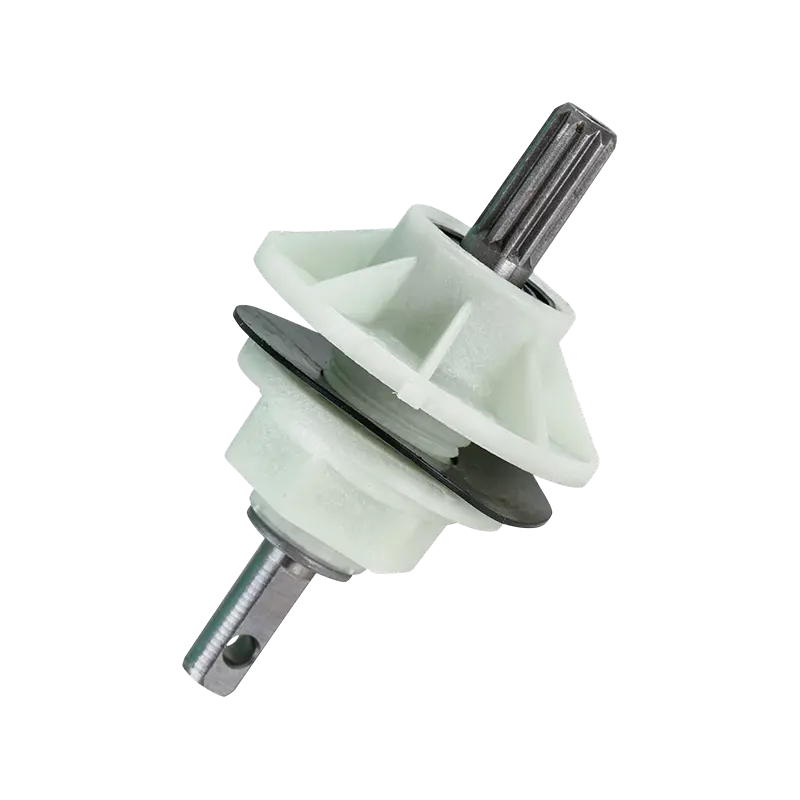
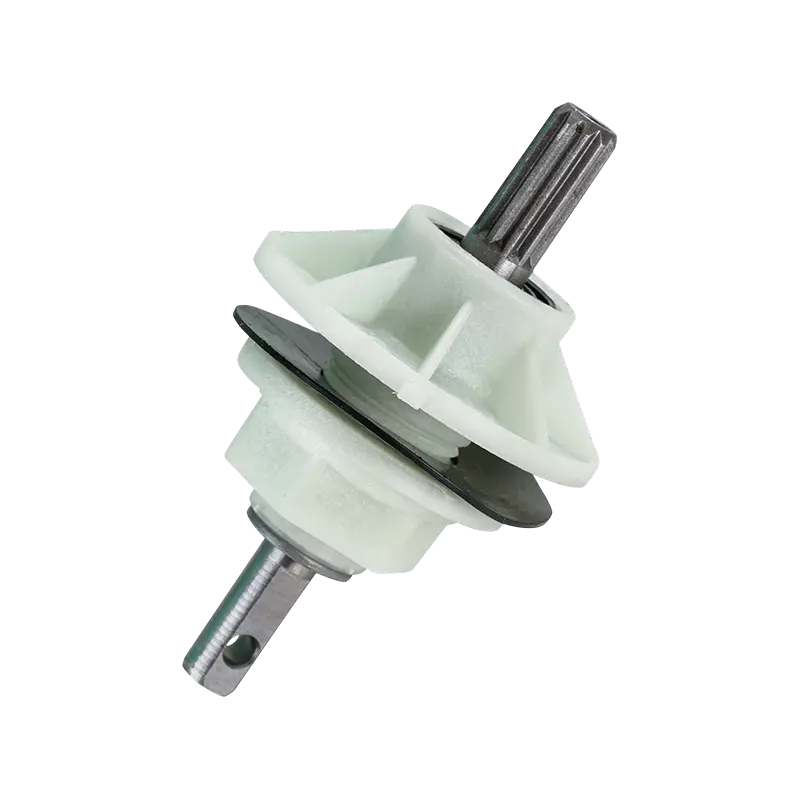 Washing Machine P-Shaft for Twin-Tub and Semi-Auto DrivesP-shaft for twin-tub and semi-automatic washers, transmitting motor power to the spin drum or pulsator; useful when matching actuator and transmission interfaces.View Product →
Electrical and control checks
- Confirm the control signal type: pulse width modulation, switched voltage, or a dedicated driver output.
- Check connector pinout and terminal plating. Corrosion at the connector can mimic an actuator failure.
- Review feedback logic. Some controls expect a position switch; others read a sensor and retry when the signal is late.
- Run a duty-cycle test at low and high line voltage. A part that passes at nominal voltage may stall at the low end.
Write the actuator specification around the mating gearbox, clutch and P-shaft, not around the actuator alone.
Sourcing Checklist for OEM, ODM, and Aftermarket Buyers
Buyers often compare actuator suppliers on unit price, but the larger cost sits in field returns, rework, and brand damage. A manufacturer that can discuss the transmission interface is more useful than a supplier that only quotes a part number. The checklist below is written for OEM programs, ODM projects, and aftermarket ranges where the same washer platform may be serviced in different markets.
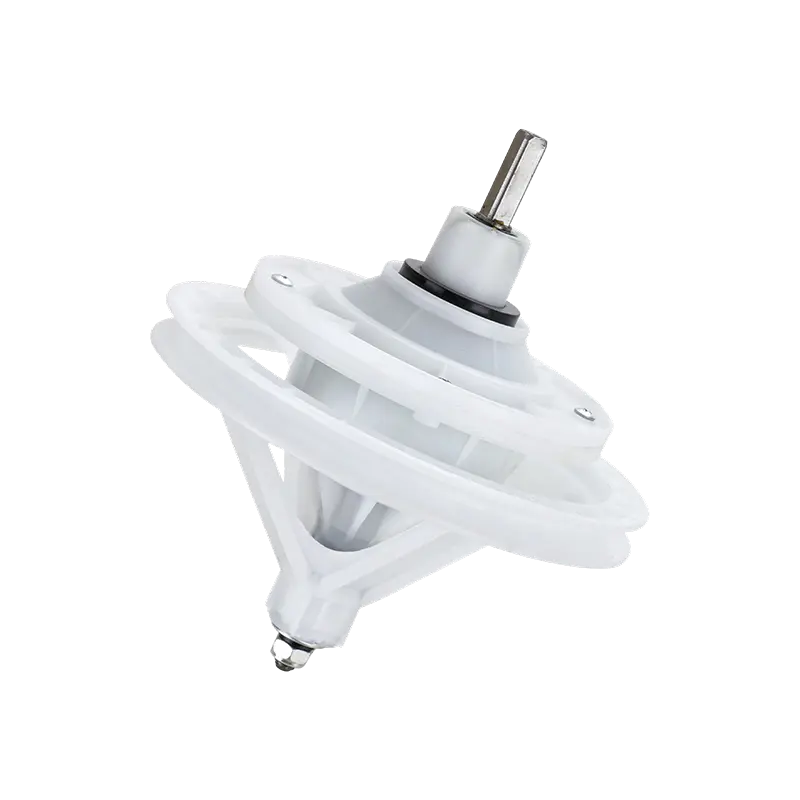
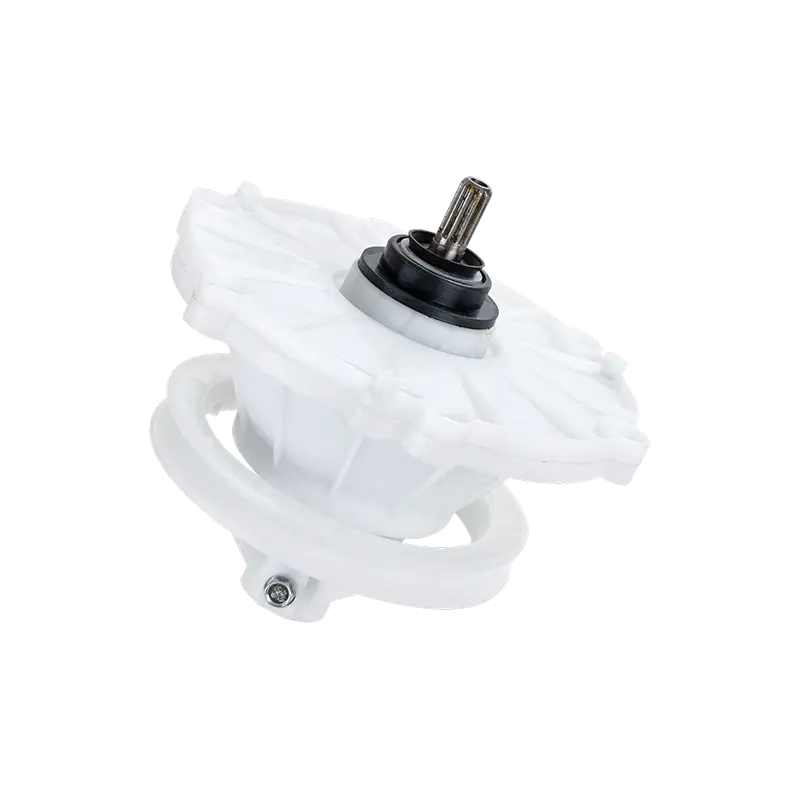 Washing Machine Gearbox Range for Semi-Auto WashersCovers twin-tub reducers, semi-auto gearboxes, transmissions and gear cases, including belt, direct-drive, planetary and synchronizer-integrated designs for actuator matching.View Product →
- Ask for the actuator’s mechanical drawing and the matching gearbox or clutch interface drawing. Check stroke, lever position, and mounting tolerances.
- Request a loaded functional test, not only a no-load current check. The test should include the expected shift resistance.
- Confirm the control signal and connector pinout against the actual harness. Pinout errors are a common cause of early returns.
- Review the supplier’s change-control process. A small change in lever material or spring rate can alter shift feel.
- Check whether the supplier can support both OEM and aftermarket volumes without mixing inspection standards.
- Ask for traceability by batch and a control plan for critical dimensions. This is especially important for safety-related shutdown behavior.
Component paths to review before RFQ
These two paths are useful starting points because clutch and synchronizer behavior often determines how much force the actuator must deliver. For an aftermarket washing machine clutch assembly or synchronizer range, the buyer should confirm that the replacement part matches the original shift feel. A clutch that is too tight may fix a slip complaint but overload the actuator. A synchronizer with a stiff detent may cause repeated clicking. The actuator and the transmission parts should be qualified as a set.
Qualify the actuator and the mating transmission parts as one system, even when they are purchased from different suppliers.
Quality, Testing, and Delivery Questions to Ask a Supplier
Actuator sourcing sits between electrical component control and mechanical transmission control. A supplier’s quality system should cover both. For washing machine transmission parts, useful evidence includes ISO 9001 quality management, ISO 14001 environmental management, and RoHS compliance for restricted substances. These documents do not replace a loaded functional test, but they show whether the supplier has a controlled process for dimensional checks, material traceability, and change management.
Cixi Gaite Electric Co., Ltd. is a washing machine component manufacturer based in Ningbo, China, with a production base of about 10,000 square meters. The company supplies gearboxes, gear reducers, synchronizers, clutch assemblies, drive shafts, and P-shaft components for OEM and aftermarket customers. Its product structure includes OEM and ODM paths for clutch assemblies, drive shafts, gear reducers, gearboxes, and synchronizers. For buyers, that range is useful because actuator complaints often require a simultaneous review of the gearbox, clutch, and synchronizer rather than a single-part replacement.
Questions worth asking a supplier include: which dimensions are checked on every batch; how the shift force is verified; how connector and harness compatibility is controlled; how field returns are traced; and what happens when a critical sub-supplier changes a material or process. A strong answer will reference a control plan, a functional test record, and a change notification process. A weak answer will rely only on “years of experience” or a sample that was tested without load.
Use certification as a baseline, then verify the loaded shift test, traceability and change control that actually protect the program.
FAQ
What is a washing machine shift actuator?
It is a small electromechanical device that changes the washer between agitate and spin. On many top-load designs it moves a lever or collar on or near the transmission. It may include a motor, solenoid, position switch, or feedback sensor.
What causes actuators in washing machines to fail?
Common causes include water ingress, connector corrosion, coil overcurrent, and mechanical binding in the gearbox, clutch, or synchronizer. A worn clutch cam or stiff synchronizer detent can raise shift force until the actuator stalls or cannot confirm position.
Can I replace the actuator without replacing the gearbox?
Often yes, but only after the shift path is checked. If the gearbox lever binds or the clutch cam is worn, a new actuator may work briefly and then fail again. Inspect stroke, return spring, lever movement, and connector pins before closing the unit.
What should OEM buyers check in an actuator sample?
Check stroke at the lever end, force at the expected voltage, connector pinout, feedback logic, mounting position, and return spring behavior. A loaded test with the mating gearbox or clutch is more useful than an unloaded bench test.
How does actuator sourcing connect to gearbox and clutch sourcing?
The actuator only changes state; the gearbox, clutch, and synchronizer define the resistance it meets. Buyers should compare the actuator drawing with the mating transmission drawing and confirm tolerance stack-up across the shift mechanism.
What quality documents should a supplier provide?
Ask for ISO 9001 and ISO 14001 certificates, RoHS compliance, control plan, batch traceability, and functional test records. For OEM programs, also confirm change notification and PPAP-style submission where required.
The most reliable actuator decision is the one made with the mating gearbox, clutch and synchronizer data already on the table.

 English
 عربى


 +86-574-63256717 /63267914
info@gaite.cn
 gaite@gaite.cn
 No. 208 Miaoshan Road, Shiyan Village, Henghe Town, Cixi City, Ningbo City, Zhejiang Province, China
